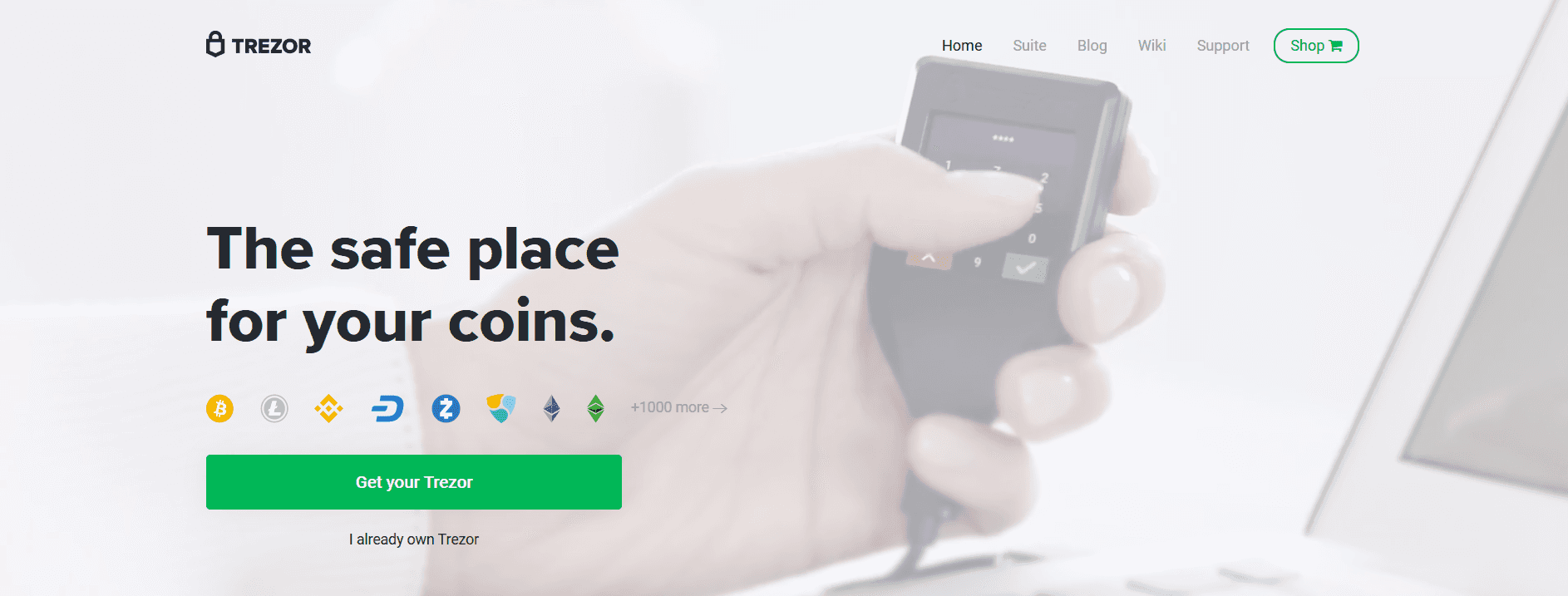
Trezor Login – The Ultimate Guide to Accessing Your Trezor Wallet Securely
Cryptocurrency security starts with control of your private keys. Unlike online wallets or exchanges, hardware wallets like Trezor store your keys offline, making them far safer from hacks and phishing attacks. Logging in to a Trezor wallet is not the same as entering a username and password—it requires physical access to your device and the correct security inputs.
This guide explains everything about Trezor login: how it works, step-by-step login instructions, security features, troubleshooting, and best practices.
🔹 What Is Trezor Login?
Trezor Login is the process of securely accessing your cryptocurrency holdings using a Trezor hardware wallet. The login process is designed so that:
Private keys never leave the device
Only the physical device owner can access the wallet
Transactions require on-device approval
Unlike web-based login systems, Trezor does not use usernames, passwords, or email for authentication. Instead, it relies on hardware verification, PINs, and optional passphrases.
🔹 How Trezor Login Works
Trezor Login works through the combination of:
Hardware device connection – The wallet must be physically connected via USB or, for some models, Bluetooth.
Trezor Suite – The official desktop or web app communicates securely with the device.
PIN code – A unique code protects your device from unauthorized access.
Optional passphrase – Adds an extra layer of security and can create hidden wallets.
On-device confirmation – All transactions require physical approval, preventing remote hacking.
🔹 Platforms for Trezor Login
PlatformRecommendedFeaturesTrezor Suite Desktop App⭐⭐⭐⭐⭐Offline-friendly, fastest, most secureTrezor Suite Web (Browser)⭐⭐⭐⭐Convenient, works via WebUSB
⚠️ Avoid third-party apps, mobile clones, or websites claiming to provide Trezor login access—they are often scams.
🔹 Step-by-Step Trezor Login Instructions
Logging in to a Trezor wallet is a secure, multi-step process. Follow these instructions:
Step 1: Connect Your Trezor Device
Plug your Trezor Model One or Trezor Model T into your computer using a USB cable. The device should power on and display a welcome screen.
Step 2: Open Trezor Suite
Download Trezor Suite from the official website
Launch the desktop or web application
The app will detect your connected Trezor device
Step 3: Enter Your PIN
Trezor devices use a scrambled PIN keypad, which displays numbers differently each time. Enter your PIN on the computer interface according to the device’s display. This prevents keyloggers from stealing your PIN.
Step 4: Enter Your Passphrase (Optional)
If you’ve enabled passphrase protection:
Enter the passphrase in Trezor Suite
Passphrase wallets are hidden wallets that remain invisible without the correct passphrase
Note: Forgetting a passphrase means losing access to that wallet. Trezor cannot recover forgotten passphrases.
Step 5: Access Your Wallet
Once your PIN and optional passphrase are entered correctly:
You can view balances, transaction history, and portfolio analytics
Send and receive cryptocurrencies
Swap tokens or manage accounts
Stake assets (supported coins)
Every transaction still requires physical confirmation on the Trezor device.
🔹 Why Trezor Login Is More Secure Than Exchange Logins
Security FeatureExchange LoginTrezor LoginAuthenticationUsername/passwordHardware + PINRemote hackingPossibleImpossible without devicePrivate keys ownershipHeld by exchangeHeld by userTransaction approvalOnline onlyPhysical device confirmationServer breach riskHighNone
Trezor login ensures full ownership of private keys, which is the cornerstone of true cryptocurrency security.
🔹 Advanced Trezor Login: Hidden Wallets & Passphrases
For advanced security:
Enable passphrase protection to create hidden wallets
Each passphrase generates a unique wallet linked to the same recovery seed
Protects assets even if the recovery seed is exposed
Important: Losing the passphrase renders the hidden wallet inaccessible. Store it safely offline.
🔹 Common Trezor Login Issues and Solutions
ProblemSolutionDevice not recognizedTry another USB cable or port; restart Trezor SuitePIN forgottenFactory reset device → Restore using recovery seedPassphrase not acceptedCheck for case sensitivity and extra spacesBrowser login failsUse supported browsers (Chrome, Brave, Firefox)Stuck in bootloader modeReconnect device; reinstall firmware via Suite
🔹 What Happens If Your Trezor Device Is Lost or Stolen?
Your crypto is not stored on the device, but on the blockchain. You can recover funds using your recovery seed:
ScenarioRecovery Possible?RequirementDevice lost✔Recovery seedDevice stolen✔Recovery seedDevice damaged✔Recovery seedPIN forgotten✔Recovery seedPassphrase forgotten❌Wallet inaccessibleRecovery seed lost❌Funds lost permanently
The recovery seed is more important than the device itself.
🔹 Trezor Login Best Practices
Use official Trezor Suite only
Never share your recovery seed or passphrase
Store your seed phrase offline in multiple secure locations
Verify addresses on-device before sending crypto
Enable passphrase wallets for high-value holdings
Keep firmware updated through Trezor Suite
Following these steps ensures maximum protection from phishing, malware, and theft.
🔹 Frequently Asked Questions
Q1: Can I log in to Trezor from multiple computers?
Yes. You can access your wallet from any computer running Trezor Suite with your device.
Q2: Do I need the internet to log in?
Trezor Suite requires internet for synchronization, but private keys never go online.
Q3: Can someone hack my Trezor remotely?
No. Access requires the physical device, PIN, and optional passphrase.
Q4: Can I use Trezor without Trezor Suite?
Third-party wallets are compatible, but Trezor Suite is the most secure and reliable method.
Q5: What happens if I forget my PIN?
You can reset the device and restore your wallet using your recovery seed.
🔹 Final Thoughts – Trezor Login for Maximum Security
Trezor Login is not just about accessing your wallet—it’s about ownership, security, and control. Using the combination of hardware verification, PIN, passphrase, and physical transaction approval, Trezor ensures that:
Only the rightful owner can access the wallet
Private keys never leave the device
Remote hacking or malware cannot compromise funds
Recovery is possible even if the device is lost or damaged
Trezor login represents the gold standard in crypto security, giving users full self-custody and peace of mind.