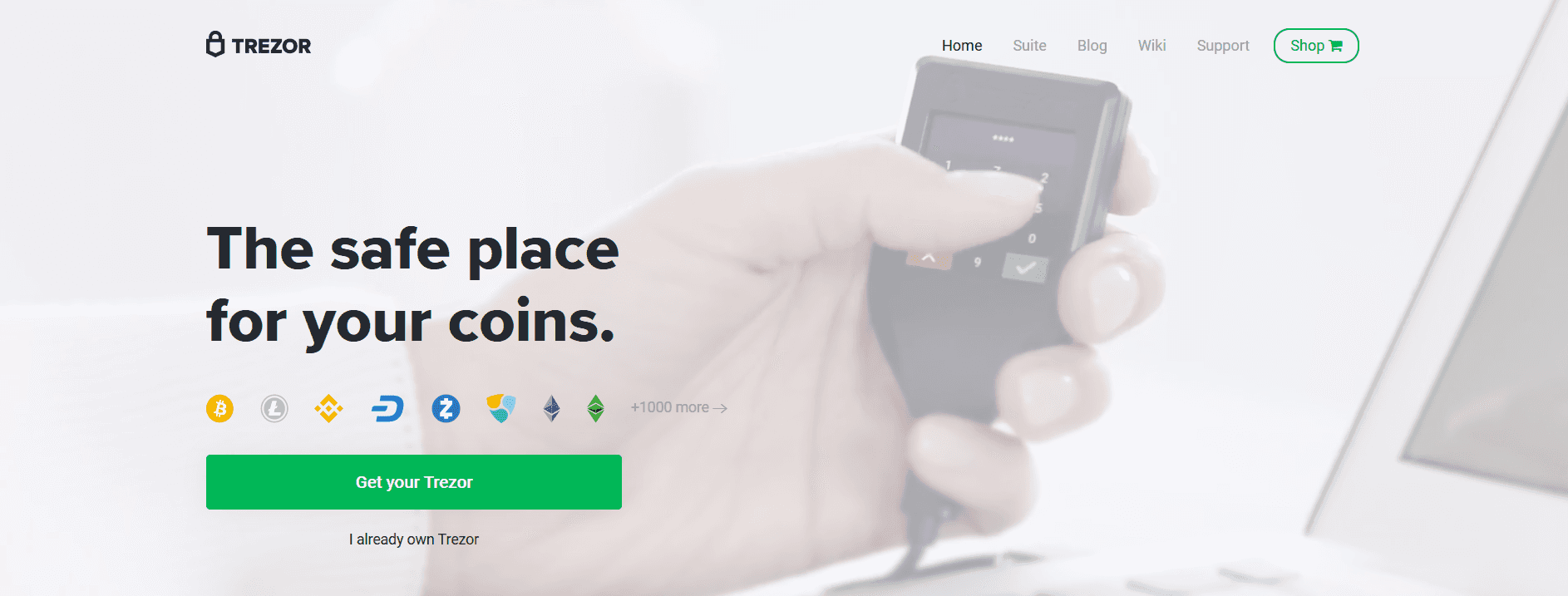
Trezor Login: Access Your Crypto Safely and Effortlessly
In today’s world of digital assets, security isn’t optional—it’s essential. That’s why millions of crypto users trust Trezor, one of the most reliable hardware wallets available. Unlike traditional online wallets, Trezor gives you full control of your private keys, meaning no one can access your funds without your consent.
But how do you log in to a Trezor wallet safely? It’s more than just typing a password—it’s a combination of hardware verification, PIN protection, and optional passphrase security. Here’s everything you need to know about Trezor login in 2025.
Why Trezor Login Is Different From Regular Logins
Traditional accounts rely on usernames and passwords. But Trezor operates differently:
Physical Device Required: Access requires the hardware wallet itself.
PIN Protection: Only you know the PIN that unlocks the device.
Optional Passphrases: Hidden wallets add an extra layer of security.
On-Device Approval: Every transaction must be verified on the wallet, not just your computer.
In short, Trezor login is designed to eliminate remote hacks and ensure your crypto stays yours.
How Trezor Login Works – The Modern Flow
Logging in to Trezor is intuitive once you understand the flow:
Connect Your Device: Plug in your Trezor wallet using a USB cable (or via supported mobile connection).
Open Trezor Suite: The official Trezor software for desktops and web access.
Enter PIN: Use the device-specific PIN to unlock access.
Enter Passphrase (Optional): Access hidden wallets if enabled.
Access Dashboard: View balances, transaction history, and manage assets.
Confirm Transactions: Every send or swap is approved on-device.
This workflow ensures security without complexity.
Step-by-Step Trezor Login Guide
Let’s break it down in detail for first-time and returning users.
Step 1: Connect Your Trezor Device
Plug your Trezor Model One or Trezor Model T into your computer or mobile device. Once powered, the device screen will light up with a welcome message.
Step 2: Launch Trezor Suite
Download Trezor Suite from trezor.io.
Choose desktop or browser version (WebUSB-supported browsers only).
Trezor Suite will detect your device automatically.
Step 3: Enter Your PIN
The Trezor PIN system scrambles the keypad on your screen each login, preventing keyloggers from capturing your input. Enter the correct digits as shown on your device.
Step 4: Optional Passphrase
If you’ve enabled passphrase protection:
Enter your passphrase in Trezor Suite.
This unlocks a hidden wallet for added security.
Remember: losing your passphrase means losing access to the hidden wallet forever.
Step 5: Access Your Wallet
Once authenticated:
Check balances and portfolio overview.
Send, receive, or swap cryptocurrencies.
Manage multiple accounts or blockchains.
Stake supported coins to earn rewards.
All actions that involve sending crypto require confirmation directly on the Trezor device.
Security Advantages of Trezor Login
FeatureWhy It MattersHardware-based keysPrivate keys never leave the devicePIN verificationBlocks unauthorized accessScrambled keypadPrevents keylogging attacksOptional passphraseAdds hidden wallet protectionOn-device approvalStops malware or phishing from moving funds
Tips for a Smooth Trezor Login
Always use official Trezor Suite — avoid unofficial apps or clones.
Keep recovery seed offline and in multiple safe locations.
Confirm all addresses on the Trezor screen before sending crypto.
Update your firmware regularly to protect against new threats.
Use a strong, unpredictable PIN.
Troubleshooting Common Login Issues
ProblemSolutionDevice not recognizedTry another USB cable, port, or restart SuitePIN entry failsCheck keypad layout; ensure correct digitsPassphrase rejectedDouble-check spelling and capitalizationBrowser login errorUse a supported browser like Chrome, Brave, or FirefoxDevice stuck in bootloaderReconnect and reinstall firmware via Suite
What to Do If Your Trezor Is Lost or Stolen
Trezor devices do not store crypto directly—all funds are on the blockchain. You can recover access with your 24-word recovery seed:
Lost device → Restore on new Trezor.
Stolen device → Recovery seed restores wallet on a new device.
Broken device → Use recovery seed to continue managing funds.
Recovery seed lost → Funds are permanently inaccessible.
Pro tip: The recovery seed is more important than the device itself.
Frequently Asked Questions (FAQ)
Q: Can I log in to Trezor on multiple computers?
Yes. Any device with Trezor Suite installed and the physical wallet connected allows login.
Q: Do I need the internet for login?
Yes, Trezor Suite uses the internet for blockchain sync, but private keys never go online.
Q: Can my Trezor be hacked remotely?
No. Physical access, PIN, and passphrase (if enabled) are required for any access.
Q: Can I log in without Trezor Suite?
Some third-party wallets are compatible, but Trezor Suite is safest.
Q: What if I forget my PIN?
Reset the device and restore using the recovery seed.
Final Thoughts – Trezor Login Made Simple
Logging in to a Trezor wallet may seem different from traditional accounts, but the process is straightforward, secure, and user-friendly. By combining:
Hardware authentication
PIN verification
Optional passphrases
On-device confirmations
Trezor login ensures only you control your funds. No central server, no exchange hacks, and no risk of remote compromise.
Whether you are new to crypto or a seasoned trader, mastering Trezor login is the first step toward full self-custody and peace of mind.
✅ Optional Upgrades for This Content:
HTML blog version with headings, tables, and bullet points
SEO meta title + description
3000+ word extended guide with screenshots and troubleshooting images
Comparison guide: Trezor Login vs Ledger Login